
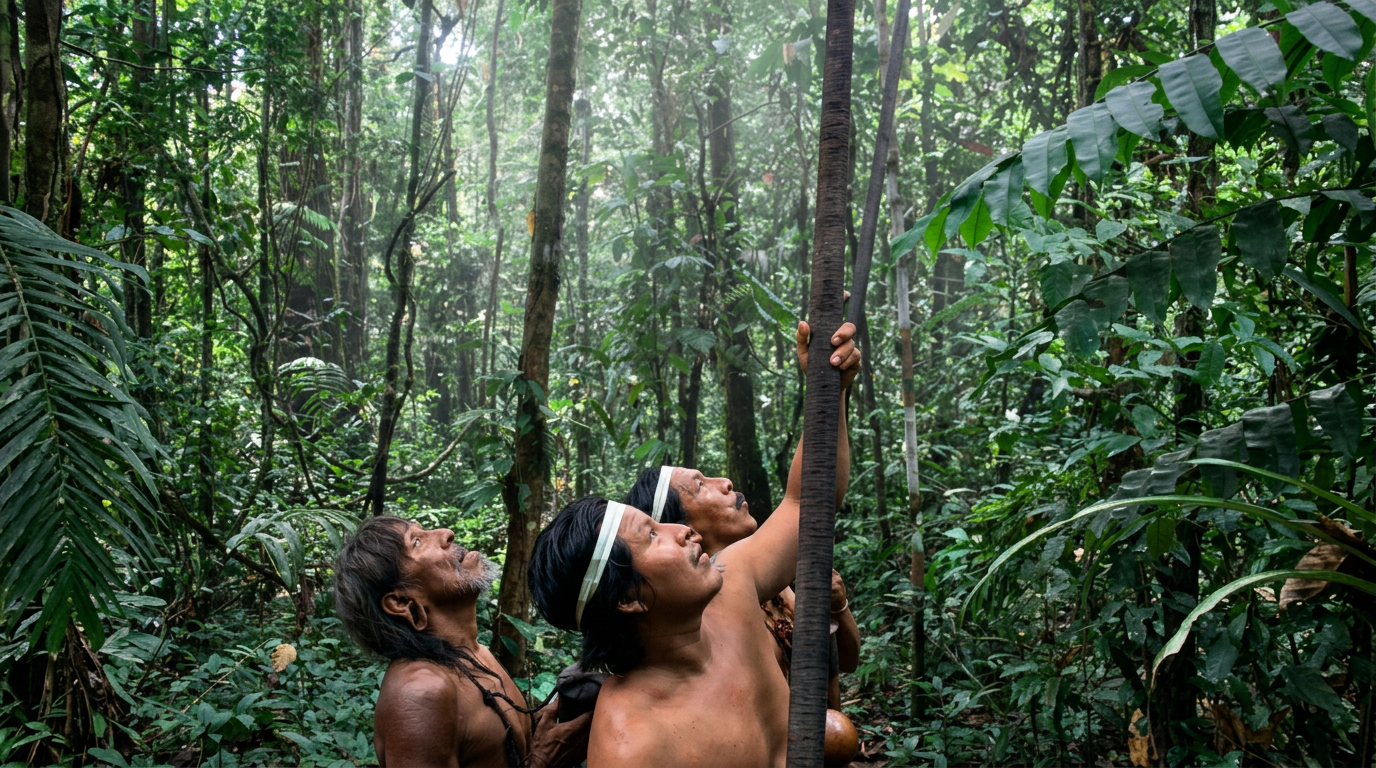
Legacy model
From project funding
The shiftTo territorial strengthening
Funding should not only deliver activities. It should strengthen the conditions that allow communities to protect ecosystems over time.
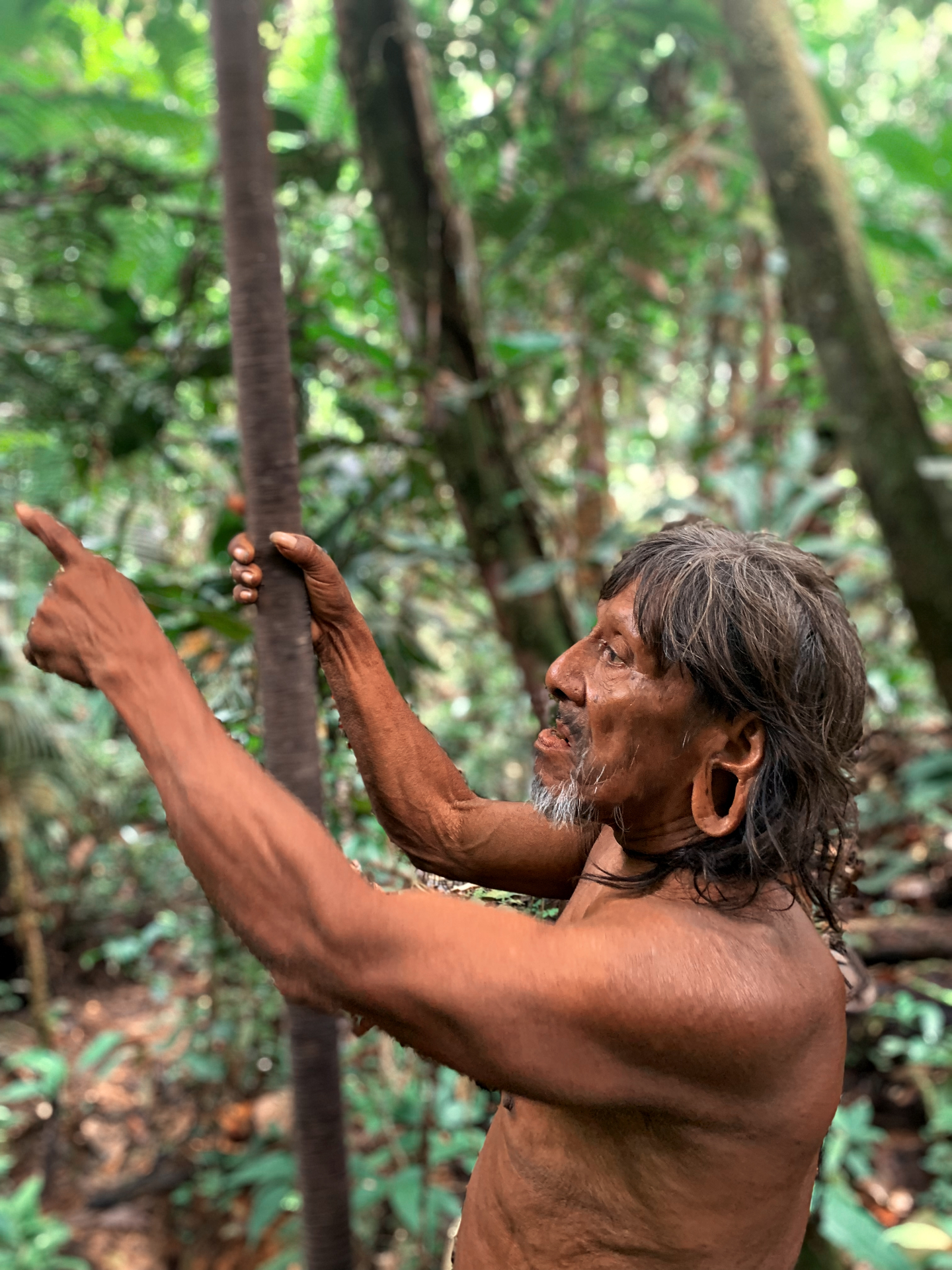
Vision
We start where trust already exists. Where we are heading is larger.
The Pilot is where we begin — intentionally small, in places where relationships already exist, needs are real, and capital can move with proximity, consent, and care.
The North Star is the system we are working toward: climate and philanthropic capital shaped around what communities actually need — rather than around generic project categories.
The larger shift
The question is not only what project should be funded, it is: which conditions most need strengthening in this context.
Durable protection rests on a wider set of conditions than any single project captures — rights recognized, governance strengthened, threats monitored, legal defense resourced, restoration supported, livelihoods made viable.
Without these foundations, protection can backfire. When communities lack the authority to exclude outsiders, restored ecosystems become more attractive to loggers, miners, illegal fishers, and land grabbers — and each ecological gain invites a new wave of pressure.
Most climate and nature finance still flows to what looks good on paper: visible projects, short timelines, clear outputs. But territories are not projects.
Durable protection rests on a wider set of conditions — rights recognized, governance strengthened, threats monitored, legal defense resourced, restoration supported, livelihoods made viable.
These dimensions reinforce one another. Their relevance and emphasis depend on each community's context; they are not a mandatory sequence or a maturity test.
Five interconnected dimensions
Conventional funding can flatten a territory into a linear project cycle. The five dimensions shown below offer a different lens. They overlap, reinforce one another and may matter differently depending on local priorities and context.
This is part of 's aspirational North Star: help capital recognize the relationships among these dimensions and shape support around what the community identifies as relevant. It does not imply that TAF currently offers a single administered capital pathway across all five dimensions.
Our aspirational North Star is to help capital recognize the relationships among these dimensions and respond to locally defined priorities. They are not stages or a maturity ranking.
The same territory, seen differently — with relevance and emphasis set by context and community-defined priorities.
Interconnected dimension
Securing the legal and political ground for territorial protection.
Connected to every other dimension — no first, no last.
IMPORTANT NOTESpecialist partners, local leadership, legal support, and monitoring tools may be needed depending on context. Think you can provide the support we're looking for and curious about exploring a partnership? Contact us.
The North Star
In this vision, capital is guided not only by ecological importance or project availability, but by community legitimacy, rights, locally defined priorities, context and the real constraints that matter most in that context.
Our long-term goal
Governance-sensitive capital.
The name gives to a practice we hope, over time, to see adopted more widely across conservation finance.
It does not rank communities by how closely they fit conventional institutional expectations. It asks how capital can help build the conditions that make durable stewardship possible.
Over the long term, we hope to help make this an expectation among funders and partners: capital that strengthens community autonomy rather than bypassing it, and supports the wider conditions for stewardship, not only the visible project.
What changes
Funding should not only deliver activities. It should strengthen the conditions that allow communities to protect ecosystems over time.
The goal is not to compensate elsewhere. It is to support the people already defending critical ecosystems where they stand.
Capital should respond to what communities identify as necessary, not force local realities into pre-written templates.
Communities should not be excluded because they are not yet institutionally legible. In many cases, that is exactly where support is needed.
What we believe
Durable climate impact depends on durable governance. Durable governance depends on rights. Rights are won politically and legally — and capital's job is to make that fight survivable and winnable.
What comes next
We are starting small, with real relationships and real territories. If these convictions resonate with you, the next step is a conversation.We are starting small, with real relationships and real territories. The ambition is larger: a better way for capital to support community-led stewardship.