
Mission
Our mission
helps structure, facilitate and accompany philanthropic funding for the communities already protecting climate-critical ecosystems — transparently, and on community-aligned terms.
What drives us
The communities themselves.
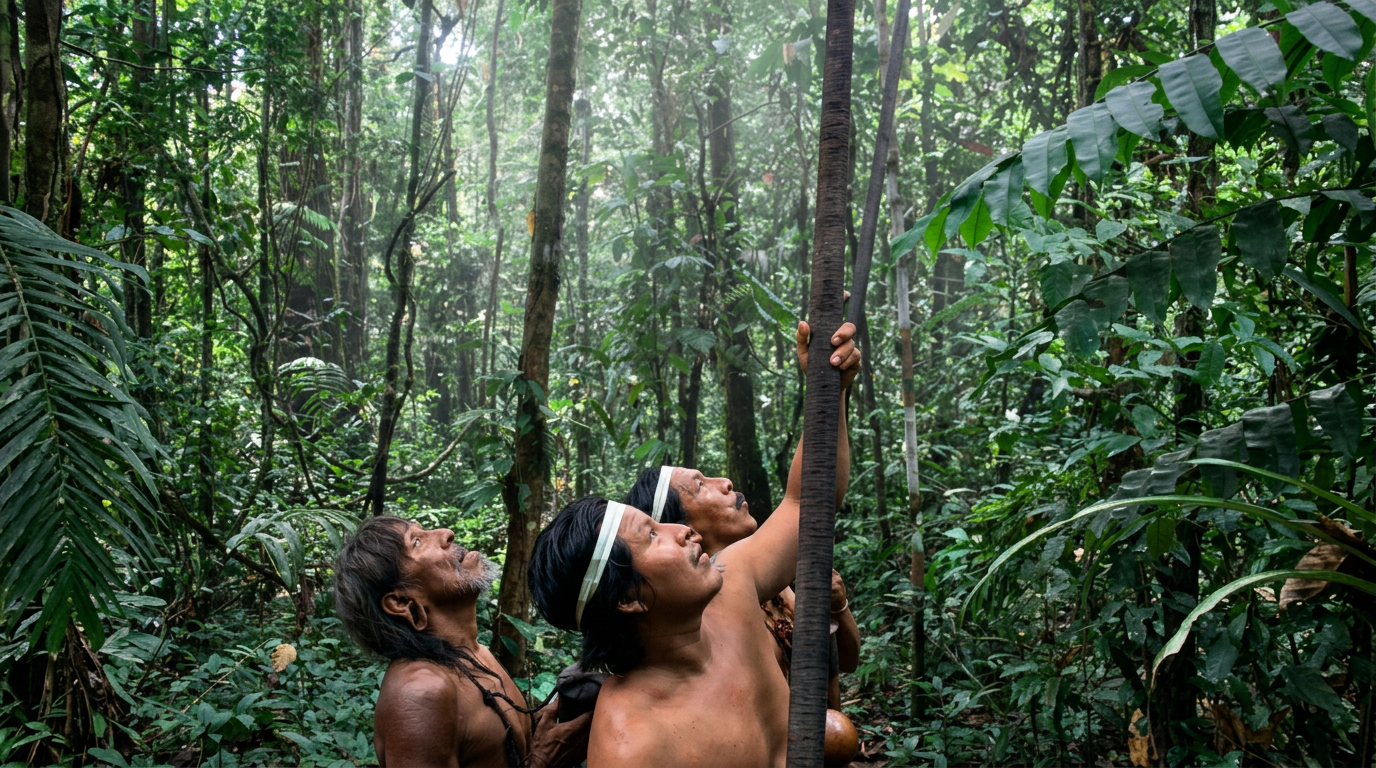
At the core of everything we do are people — the communities across Latin America who have lived on, cared for, and governed their territories for generations, long before conservation became a global agenda item and long before outside funding arrived with conditions attached.
What we want for them is straightforward, even if achieving it is not: that they are free from external pressure, not suppressed by the forces that have historically tried to extract value from the land they steward, and able to live by what actually matters to them — their traditions, their governance, their relationship with the land.
We have seen what happens when outside support arrives without that commitment — when funding comes with agendas attached and communities are treated as project sites rather than the rightful decision-makers they are. It doesn't work. It creates dependency, distorts local priorities, and ultimately weakens the very structures that made those territories worth protecting in the first place. So we arrive differently: with questions, not plans. We follow community-defined priorities and seek to strengthen, not displace, existing authority.
At the core of our work are people — Latin American communities who have governed their territories for generations, long before conservation became a global agenda.
What we want for them is simple: freedom from external pressure, and the space to live by what matters to them — their traditions, autonomy, and relationship with the land.
When outside support arrives with agendas attached, it creates dependency and weakens the structures that made those territories worth protecting. So we arrive with questions, not plans: we follow community-defined priorities and seek to strengthen, not displace, existing authority.
Our second driver
A planet that urgently needs it.
The communities we work with deserve support because it's the right thing to do — and because what they protect matters to every living thing on this planet. Amazon rainforest, cloud forest, coral reefs, coastal wetlands, Andean highlands: these are not peripheral landscapes, they are among the most ecologically critical places on Earth.
They regulate rainfall across entire continents, store carbon, sustain extraordinary biodiversity and support the livelihoods of the people who live there. The scale of what is at stake is growing: global average temperatures have already risen more than 1.2°C above pre-industrial levels, ecosystems that took millennia to form are being degraded within decades, and species are disappearing at rates not seen since mass extinction events.
What the science, the evidence and our own experience consistently show: communities who are genuinely empowered — with recognized rights, adequate resources, and freedom from extractive pressure — are among the most effective protectors of the ecosystems they depend on.
What these communities protect — Amazon rainforest, cloud forest, coral reefs, coastal wetlands, Andean highlands — is among the most ecologically critical land on Earth. It regulates rainfall across continents and stores carbon that would otherwise accelerate warming.
Temperatures have already risen 1.2°C, ecosystems formed over millennia are degrading in decades, and species are disappearing at rates not seen since mass extinction events. The science is consistent: empowered communities — with recognized rights and resources — are among the most effective protectors of the ecosystems they depend on.
Communities' long-term incentives, territorial knowledge, and governance traditions align with ecological health in ways that external interventions rarely replicate.
Empowering communities is not a detour on the way to climate action. It is one of the most direct routes to it.
KEY TAKEAWAY
The people best placed to protect these ecosystems already do.
Although communities are so critical for our ecosystems, less than 2% of global climate and nature finance reaches them directly. The gap is not only financial — it is structural. Capital tends to follow institutional convenience, visibility, and what is easy to measure, rather than ecological reality or community need. And the funders who genuinely want to help often can't find trusted, field-connected initiatives, or a responsible way to reach them.
This is where we come into play.
Stand with the communities protecting what matters most.
Our role
Connective tissue between communities, partners, and aligned capital.
links community needs, specialist partners and aligned capital so the right resources reach the right place, at the right moment, without imposing agendas.
We don't aim to replace the organizations already doing the work, and we don't take decisions away from the communities who steward these territories. We make it possible for committed funders to support real, community-led conservation with proximity, transparency, and care.
What guides us
For given reasons, we apply clear principles that shape our partnerships
Community authority first.
The people who steward a territory lead the decisions about it.
Capital must reinforce community autonomy — never erode it.
Climate impact must be rooted in local consent.
No extractive intermediation.
We're a relationship layer, not a gatekeeper — and never a profit-taker on the community's allocation.
Long-term stewardship over short-term transactions.
Communities are partners and stewards — not beneficiaries.
Join the mission
Stand with the people keeping these territories alive.
If our mission is yours too, we'd like to know who you are. A short conversation tells us whether we can be useful to each other.